
Game theory, bird feeders, and speed
Vol 2 Issue 4
|
Vol 2 Issue 4 |
A theory I find interesting
Tit for Tat - the scientifically proven way to achieve a win-win.
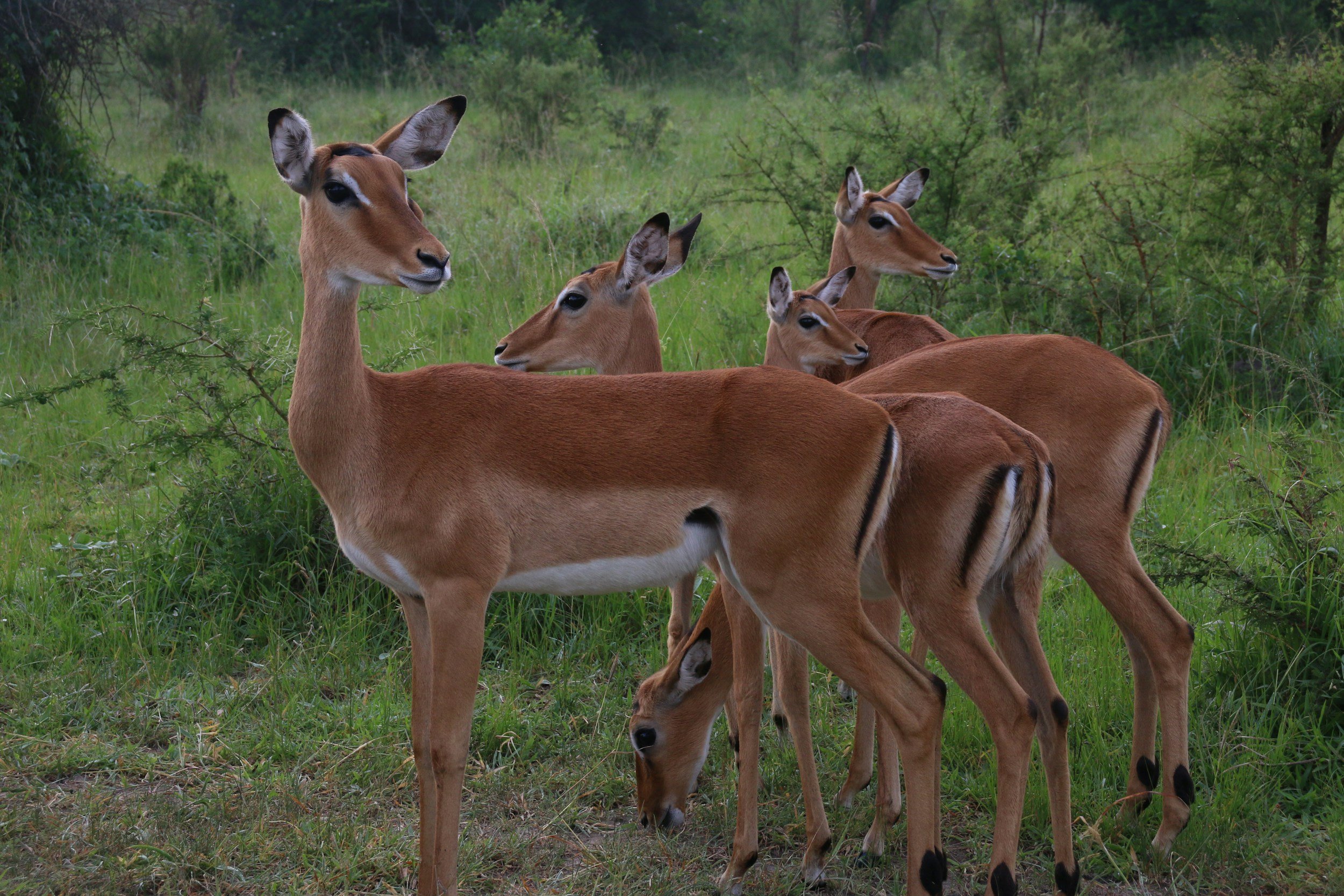
Impalas are hosts to ticks. The ticks don’t just bite, but also cause diseases. So, every impala has to be tick-free if it wants to live for long.
To remove all the ticks, an impala needs another one from the herd to lick them off. (Sounds gross, but that’s Nature for you.)
There is a cost to the impala doing the tick-cleaning service: time, saliva, and the risk of presenting its backside to an approaching leopard or lion.
On the other hand, the impala doing the grooming today will need another impala to groom it tomorrow.
So every impala faces a choice: Groom now and hope you get groomed later, or think short-term and not groom.
Impalas almost always choose collective benefit over individual cost.
Human beings, not so much. Why?
Enter game theory.
Game theory is a branch of mathematics that studies how people make decisions when the outcome depends on what others do.
The Prisoner’s Dilemma is a famous game theory experiment that’s supposed to help explain everything. I have tried and failed multiple times to understand how it works.
This impala-grooming-ticks version is the simplest (maybe too simplistic?) explanation I have read so far.
Why am I telling you this? Because I recently learnt that there is a scientifically proven way to conduct a negotiation.
In the 80’s, Robert Axelrod conducted a computer tournament. He wanted to determine the best strategy to achieve a win-win solution in a negotiation.
Participants submitted computer programs that would employ a specific strategy to play the game. Each program would ‘play’ against the other programs 200 times.
The winning strategy was Tit for Tat
Start by being nice and helpful.
If the other person fucks you over, retaliate immediately. Don’t be a pushover.
Once you have retaliated, stop. Don’t hold a grudge.
Be clear about the rules of the game.
If you are looking to take unfair advantage all the time, you’ll soon run out of suckers to prey on, and will only be left with people who are too smart to fall for your BS.
Watch the whole video here
Veritasium is a channel I tune into from time to time. Mostly has science and engineering videos featuring experiments, expert interviews, cool demos, and discussions with the public about everything science.

A YouTube channel I like
THE TRAVELLING BIRD FEEDER
A YT channel I leave running on the TV in the background while I work.
The creators roam about in Norway with a sled filled with delicious nuts, seeds & fruit.
For all the birds and squirrels in the area, it’s an all-you-can-eat buffet .
For me it’s something calming and relaxing to listen to while working and to look at when I take a break from work.
They say it’s perfect cat & dog tv.
Let me know if that is the case
You can watch the video here

A concept I found interesting
Fallacy of speed
I recently read two essays that made me think about the true cost of efficiency.
Roads that split mountains in two so we can reach our destination 10 minutes earlier; reports generated in seconds, so we can send out an email faster; products pushed out without testing just so that they can be the first to market.
There is a price to pay for all this hurrying, and the bill, ironically, will take a little time to arrive. But it will be presented, and someone will have to pay.
The first essay by John Kurien talks about the heavy price Kerala will have to pay for its highways.
“When speed is imposed on terrain that calls for sensitivity and restraint, the result is not progress but erosion: of soil, stability, and ultimately, of trust in public purpose.”
Read the article here
The second essay, by Yves Schelpe, is a longer piece that discusses the wider impact this quest for speed has upon our society.
“The debt accumulates quietly. When it finally becomes visible, it often does so through failure: systems that break down, decisions that backfire, institutions that discover too late that they no longer understand their own workings.”
Read the article here
Stopping to think things through may not be such a bad thing after all.